
ZNF148 Polyclonal Antibody
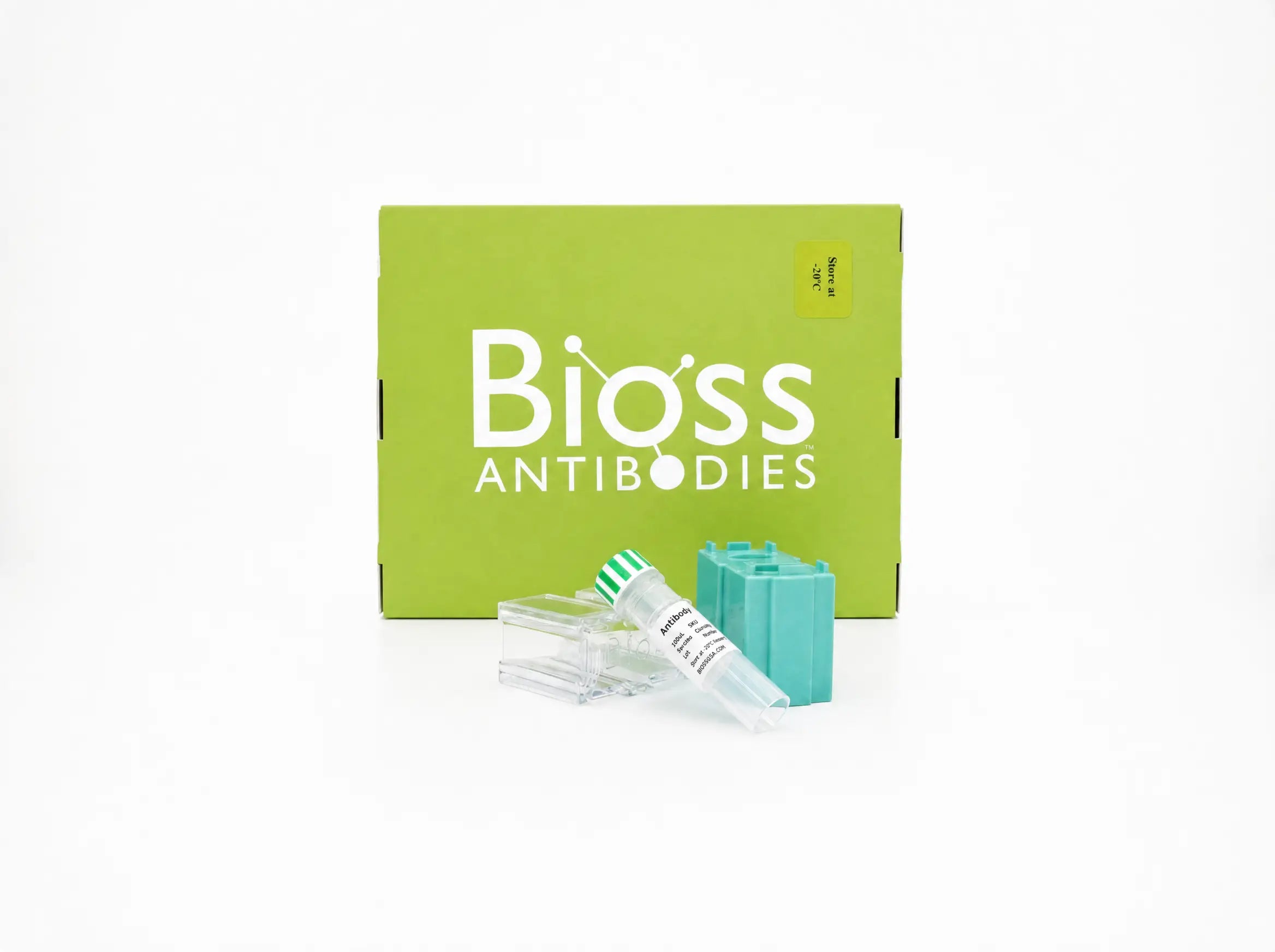
Applications
Predicted Reactivity
| Overview | |
| Catalog # | bs-12211R-100uL |
| Product Name | ZNF148 Polyclonal Antibody |
| Applications |
WB
ELISA
IHC-P
IHC-F
IF(IHC-P)
IF(IHC-F)
IF(ICC)
|
| Predicted Reactivity | Human, Mouse, Rat, Dog, Cow, Sheep, Pig, Horse, Rabbit |
| Specifications | |
| Conjugation | Unconjugated |
| Host | Rabbit |
| Source | KLH conjugated synthetic peptide derived from human ZNF148/ZBP-89 |
| Immunogen Range | 303-380/794 |
| Clonality | Polyclonal |
| Isotype | IgG |
| Concentration | 1ug/ul |
| Purification | Purified by Protein A. |
| Storage Buffer | 0.01M TBS(pH7.4) with 1% BSA, 0.02% Proclin300 and 50% Glycerol. |
| Storage Condition | Shipped at 4℃. Store at -20℃ for one year. Avoid repeated freeze/thaw cycles. |
| Target | |
| Gene ID | 7707 |
| Subcellular location | Nucleus |
| Synonyms | Transcription factor ZBP-89; Transcription factor ZBP89; ZBP89; Zinc finger DNA binding protein 89; Zinc finger DNA-binding protein 89; Zinc finger protein 148; ZN148_HUMAN; ZNF 148; ZNF148. |
| Background | ZNF148 is a zinc finger transcription factor that is universally expressed. ZBP-89, a Kruppel-like repressor protein, is the silencer element binding factor for Vimentin. ZBP-89 has been shown to bind to GC-rich DNA elements in promoters for gastrin, ornithine decarboxylase and the cyclin-dependent kinase inhibitor p21 (also designated Cip1 or WAF1). ZBP-89 expression is induced by trans-retinoic acid or butyrate, which also induces terminal differentiation of colon cancer cells. ZBP-89 cooperates with histone acetyltransferase coactivator p300 in the regulation of p21, a cyclin-dependent kinase inhibitor whose associated gene is a target gene of p53. ZBP-89 also regulates cell proliferation, in part, through its ability to directly bind the p53 protein and retard its nuclear export. Elevated levels of ZBP-89 induce growth arrest and apoptosis in human gastrointestinal cells. |
| Application Dilution | |
| WB | 1:300-5000 |
| ELISA | 1:500-1000 |
| IHC-P | 1:200-400 |
| IHC-F | 1:100-500 |
| IF(IHC-P) | 1:50-200 |
| IF(IHC-F) | 1:50-200 |
| IF(ICC) | 1:50-200 |
Frequently asked questions
Which applications is ZNF148 Polyclonal Antibody (bs-12211R) validated for, and at what dilution?
bs-12211R is validated for WB (1:300-5000); ELISA (1:500-1000); IHC-P (1:200-400); IHC-F (1:100-500); IF(IHC-P) (1:50-200); IF(IHC-F) (1:50-200); IF(ICC) (1:50-200); ICC (1:100-500). These are recommended starting dilutions; optimal dilutions should be determined by the end user.
How should bs-12211R be stored?
Shipped at 4℃. Store at -20℃ for one year. Avoid repeated freeze/thaw cycles. Storage buffer: 0.01M TBS(pH7.4) with 1% BSA, 0.02% Proclin300 and 50% Glycerol.
What immunogen was used to raise ZNF148 Polyclonal Antibody (bs-12211R)?
KLH conjugated synthetic peptide derived from human ZNF148/ZBP-89 Immunogen range: 303-380/794.